Storm Cleanup Dumpster Guide | SE Massachusetts
Nor'easters and coastal storms leave behind a mix of brush and building debris. Here's how to size the right container and keep yard waste separate under typical local disposal rules.
ReadAttleboro, MA guide
Attleboro's old jewelry-manufacturing mills are getting new lives as lofts, studios, and small manufacturing space — here's what that kind of renovation really pulls out the door, and how to size a dumpster for it.
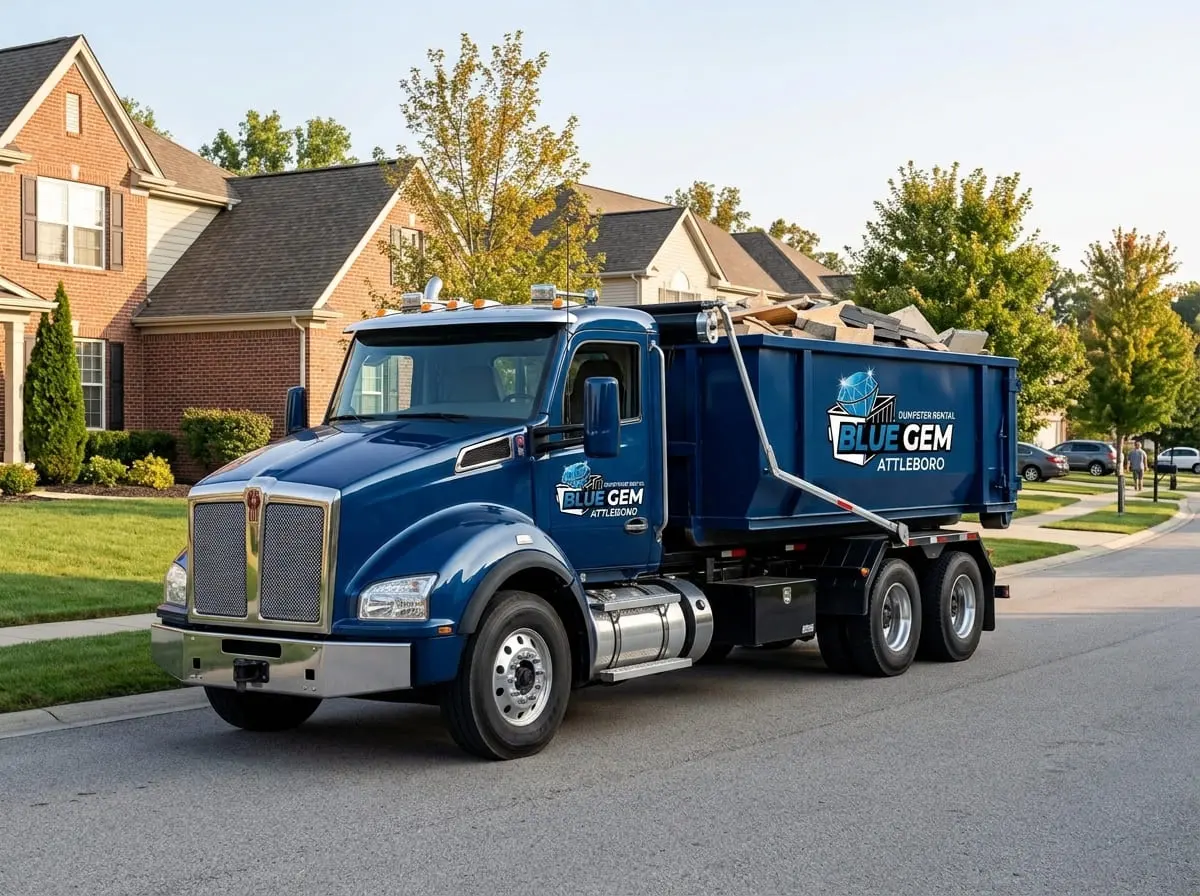
Long before it was known for anything else, Attleboro was known for jewelry. For the better part of a century, this corner of Bristol County produced a meaningful share of the costume jewelry, class rings, and fine metal goods sold across the country, earning the city its historical nickname: “The Jewelry City.” That heritage didn’t disappear when the industry contracted — it’s built into brick, in mill and factory buildings scattered across the city that are now, decades later, being renovated, converted, and put back to work. If you own, manage, or contract on one of these projects, the debris that comes out of a hundred-year-old manufacturing building is a very different animal from a typical home remodel, and it deserves a different plan.
Attleboro’s reputation as a manufacturing center wasn’t a marketing slogan — it was an economic reality documented in local history, including Paul H. Tedesco’s history “1894 Attleborough–Attleboro 1978: Hub of the Jewelry World.” Companies like the L.G. Balfour Company and the D.E. Makepeace Company operated substantial manufacturing works in and around the city, producing jewelry, class rings, and fraternal and military insignia that shipped nationwide. Later in the 20th century, Augat added a significant electronics and connector-manufacturing presence to the local industrial base. Together, these companies and the many smaller shops that supplied and supported them built the brick-and-timber manufacturing stock that still defines parts of Attleboro today.
That history is actively preserved, not just remembered. The Attleboro Area Industrial Museum keeps the story of the city’s jewelry and manufacturing trades on record for residents and researchers, and the L.G. Balfour Riverwalk — a former jewelry-manufacturing facility along the Ten Mile River that has been converted into a public riverwalk — is a working example of exactly the kind of adaptive reuse this article is about: an industrial building given a new, useful life instead of sitting vacant or being torn down.
Across Attleboro and the surrounding Bristol County mill towns, older manufacturing buildings are attractive candidates for renovation for a few practical reasons: they’re structurally sound (mill construction was built to carry heavy machinery loads), they sit on land that’s often already zoned or approved for mixed use, and they offer the exposed-brick, tall-ceiling character that’s hard to build new. That combination has driven a steady wave of projects converting old manufacturing space into residential lofts, artist studios, small offices, and modern small-batch manufacturing or light-industrial space — sometimes all in the same building.
Whether the project is a full construction buildout, a phased commercial tenant turnover, or a targeted demolition of interior partitions, the common thread is the same: these buildings were assembled in layers over decades, and renovating them means taking those layers back apart, often one floor at a time.
Debris from a mill or manufacturing building renovation tends to be heavier, more mixed, and more varied than what comes out of a typical single-family remodel. Crews working these projects should plan for a mix that can include:
That last point matters. A building that operated as a manufacturing facility for decades may have materials on-site that a typical residential renovation never encounters. When in doubt about a specific material — particularly anything suspected to be asbestos-containing (common in older insulation, flooring, and pipe wrap) or lead-based coatings — the right move is testing and proper abatement by a licensed contractor before that material goes near a general debris dumpster. A dumpster rental is built for construction and demolition debris, not hazardous material disposal, and a reputable provider will flag that distinction rather than just hauling whatever shows up.
Because mill renovations tend to happen in phases — demo, then rough-in, then finish, sometimes floor by floor or unit by unit — the right dumpster plan is usually more than a single container dropped once. A few patterns tend to work well:
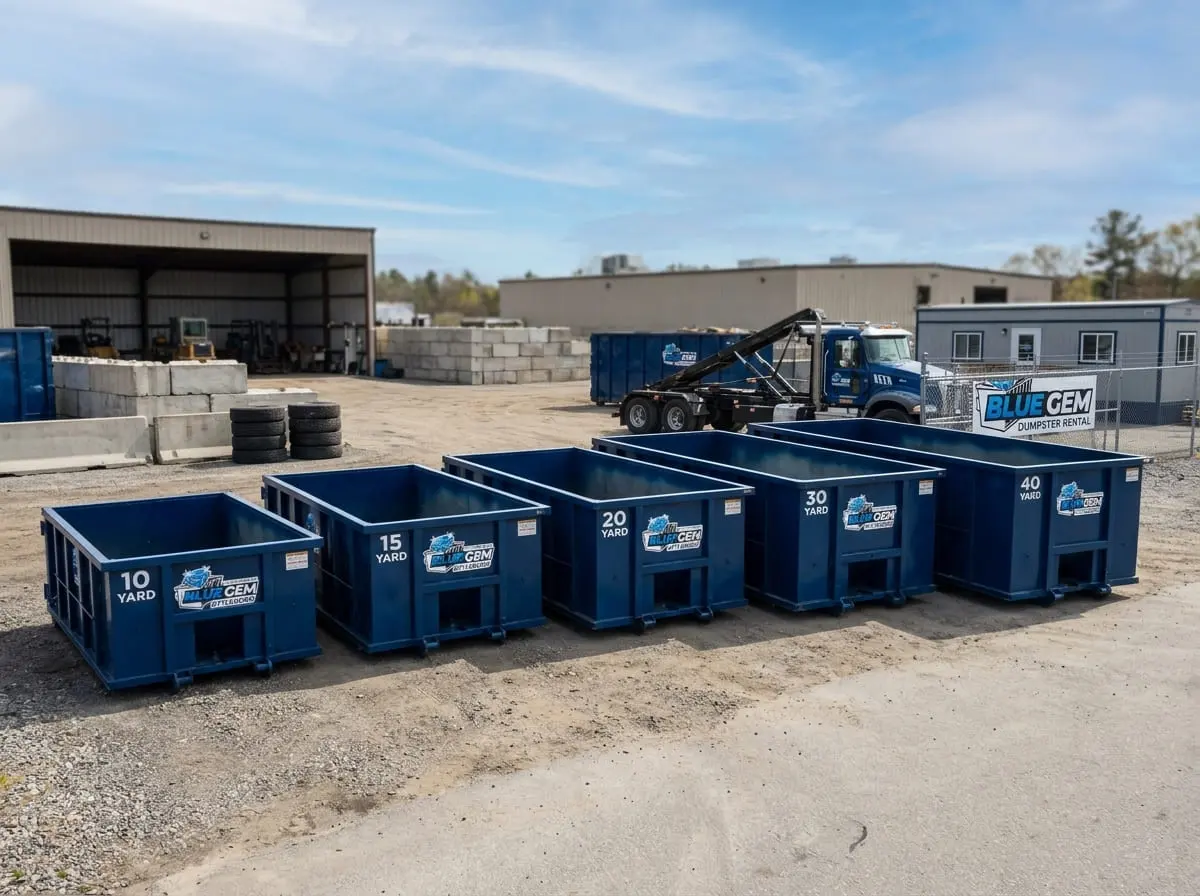
Interior demo (plaster, lath, old flooring, partition framing) generates heavy, dense debris fast. For a single floor or a mid-size unit, a 20-yard dumpster is a common starting point; for a larger footprint or a full-building gut, a 30-yard or 40-yard dumpster cuts down on the number of swaps needed. Because this material is dense, weight limits matter as much as volume — it’s worth discussing expected tonnage before the container drops, not after it’s full.
Once demo debris is cleared, ongoing construction waste — lumber offcuts, packaging, drywall scrap from new partitions — is lighter and more consistent. Swapping to a smaller container, like a 15-yard or 10-yard dumpster on a scheduled cadence, often makes more sense than keeping a large container on site for the whole job.
Many mill conversions also touch the roof — old built-up roofing, flashing, and decking come off as part of the same project. That material is its own category of heavy, and a dedicated roofing container, sized and scheduled separately from the interior demo container, keeps both crews moving without one job’s debris blocking the other’s access.
Sequencing a project like this well usually comes down to talking through the actual scope, floor by floor, with whoever is scheduling the containers, rather than guessing at one size and hoping it covers the whole project.
Renovation work on older manufacturing buildings often means working in tight urban footprints, shared loading areas, or corridors where multiple tenants and trades are active at once — placement and access planning for a dumpster matters more here than on an open residential lot. Before any excavation or utility work connected to the renovation — new utility runs, footings, site drainage — Massachusetts law requires calling Dig Safe (811 or 1-888-DIG-SAFE) at least a few business days ahead, so underground lines can be marked. It’s a simple call, and skipping it on a property with decades of buried industrial infrastructure is a real risk, not a formality.
On the disposal side, construction and demolition debris from a project like this is generally handled differently than household trash, and Bristol County transfer stations typically separate C&D loads from municipal solid waste and may require permits or documentation depending on the facility and the volume involved. A dumpster provider familiar with the area can route debris appropriately rather than leaving that sorting to guesswork on-site.
Blue Gem Dumpster Rental is based right in this corridor — out of the yard at 42 Frank Mossberg Dr in Attleboro, in the same industrial area where fabricators and manufacturers still operate today. Owner Ryan Fontaine has run trucks and container work out of that yard since founding the company in 2015, and has seen firsthand what comes out of the area’s older mill and manufacturing buildings when they’re renovated. That local familiarity matters when a project needs the right size container dropped in the right spot, swapped on the right schedule, without guesswork.
Whether the project is a single loft unit or a full-building conversion, a quick call ahead of time to talk through the scope — what’s coming out, roughly how much, and over what timeline — makes it much easier to land on the right size and sequence from the start. Blue Gem serves North Attleborough, Mansfield, and the rest of the Greater Attleboro area alongside the city itself, and offers same-day delivery where scheduling allows for projects that can’t wait on the next available slot.
Attleboro’s manufacturing history isn’t just a museum exhibit or a name on an old building — it’s the reason so many of the city’s renovation projects come with heavier, more layered debris than a typical job. Planning for that reality upfront, with the right size roll-off and a sequence that matches how the project actually unfolds, is what keeps a mill conversion moving instead of stalling out around a debris problem nobody planned for.
Talk to a real person
Call and describe the job. Flat price, stated tonnage, and a delivery time on the same call.
Mon–Sat 7:00am – 7:00pm
From this guide
Mill and factory buildings were built to carry heavy industrial loads, so their materials — old-growth wood flooring, plaster and lath walls, brick, and heavy metal fixtures — tend to be denser and heavier than what comes out of a standard residential remodel. Weight, not just volume, is usually the bigger factor in sizing a dumpster for this kind of project.
Buildings that operated as manufacturing facilities for decades can contain materials, such as older insulation, flooring adhesives, or coatings, that should be tested by a licensed professional before renovation. A general construction dumpster is built for standard C&D debris, not hazardous material disposal, so any suspected hazardous material needs to be identified and handled separately, ahead of demolition.
It depends on the phase and footprint. Heavy interior demo (plaster, old flooring, framing) on a single floor or mid-size unit often starts around a 20-yard dumpster, with 30- or 40-yard containers making sense for larger or full-building gut-outs. Lighter, ongoing construction waste later in the project often works better with a smaller container on a scheduled swap. Call (774) 300-3586 and we can talk through your specific scope.
Yes. Massachusetts requires calling Dig Safe (811 or 1-888-DIG-SAFE) at least a few business days before any excavation or utility work, including work tied to a renovation project. Older industrial properties often have decades of buried infrastructure, which makes this step especially important.
Yes. Blue Gem is based at 42 Frank Mossberg Dr in Attleboro and serves the Greater Attleboro area, including North Attleborough, Mansfield, Norton, Seekonk, and Plainville. Call (774) 300-3586, Monday through Saturday, 7am to 7pm, to talk through your project and get the right size and schedule.
Keep reading
Nor'easters and coastal storms leave behind a mix of brush and building debris. Here's how to size the right container and keep yard waste separate under typical local disposal rules.
ReadA step-by-step, low-pressure guide for Attleboro families sorting through a loved one's home — what to handle before the dumpster arrives, how to size the container, and which items need a different path.
ReadRoofing debris is dense, so tear-off dumpsters fill up by weight long before they fill up by volume. Here's how Attleboro contractors and homeowners size the job right.
Read